
Case Study Overview
A CIPD learner approached Excellence Innovations for structured support with the Level 5 Associate Diploma unit 5HR01: Employment Relationship Management. The learner provided the official assessment brief and required a 3,900-word response using Harvard referencing. Our role was to review the brief, interpret the assessment criteria, organise the response around each requirement, develop academically referenced content, complete quality checks, and deliver the finished assignment with supporting reports for submission.
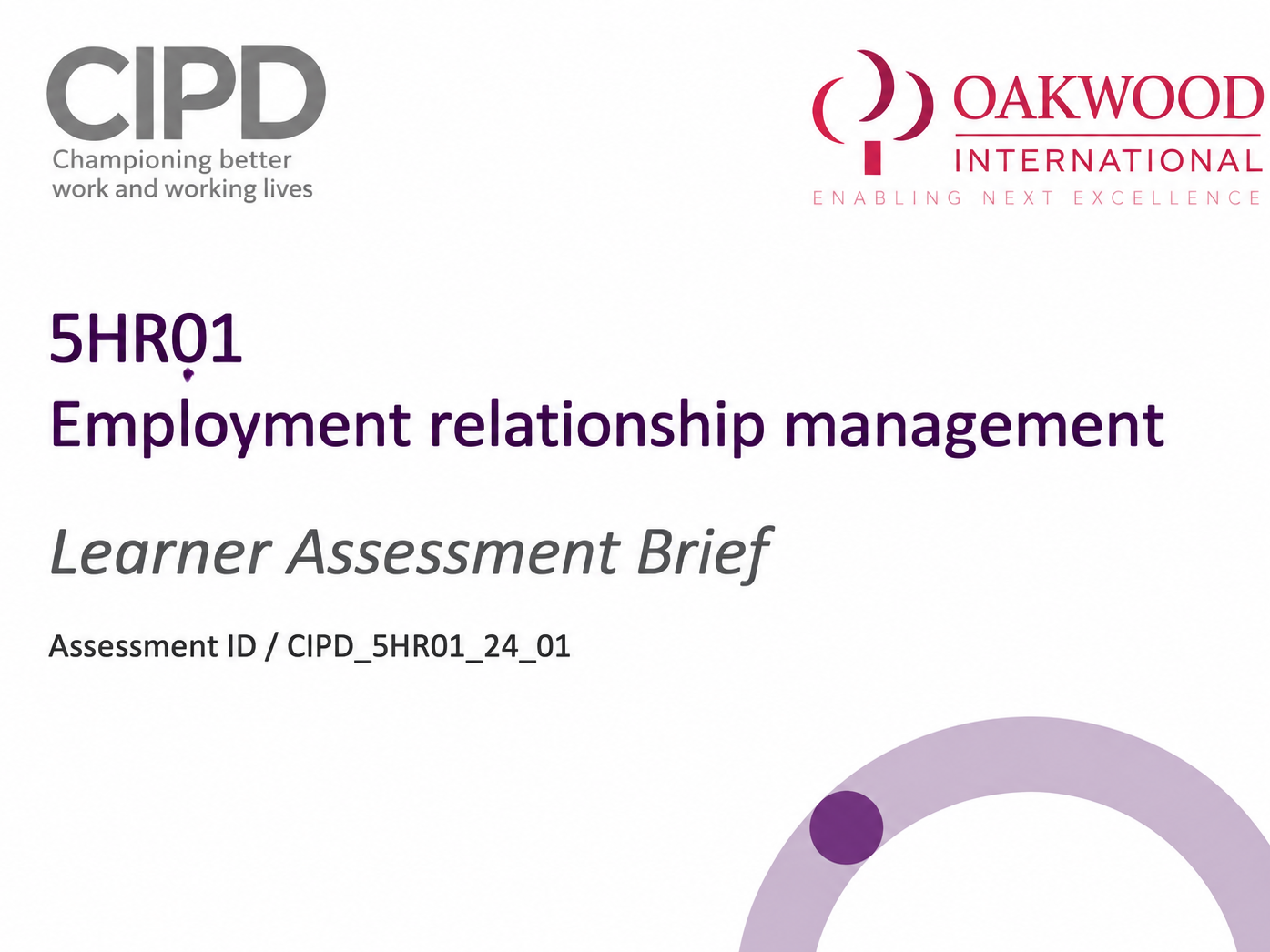
Qualification
CIPD Level 5
Unit
5HR01
Word Count
3,900 words
Referencing
Harvard
about us
1. Client Requirement
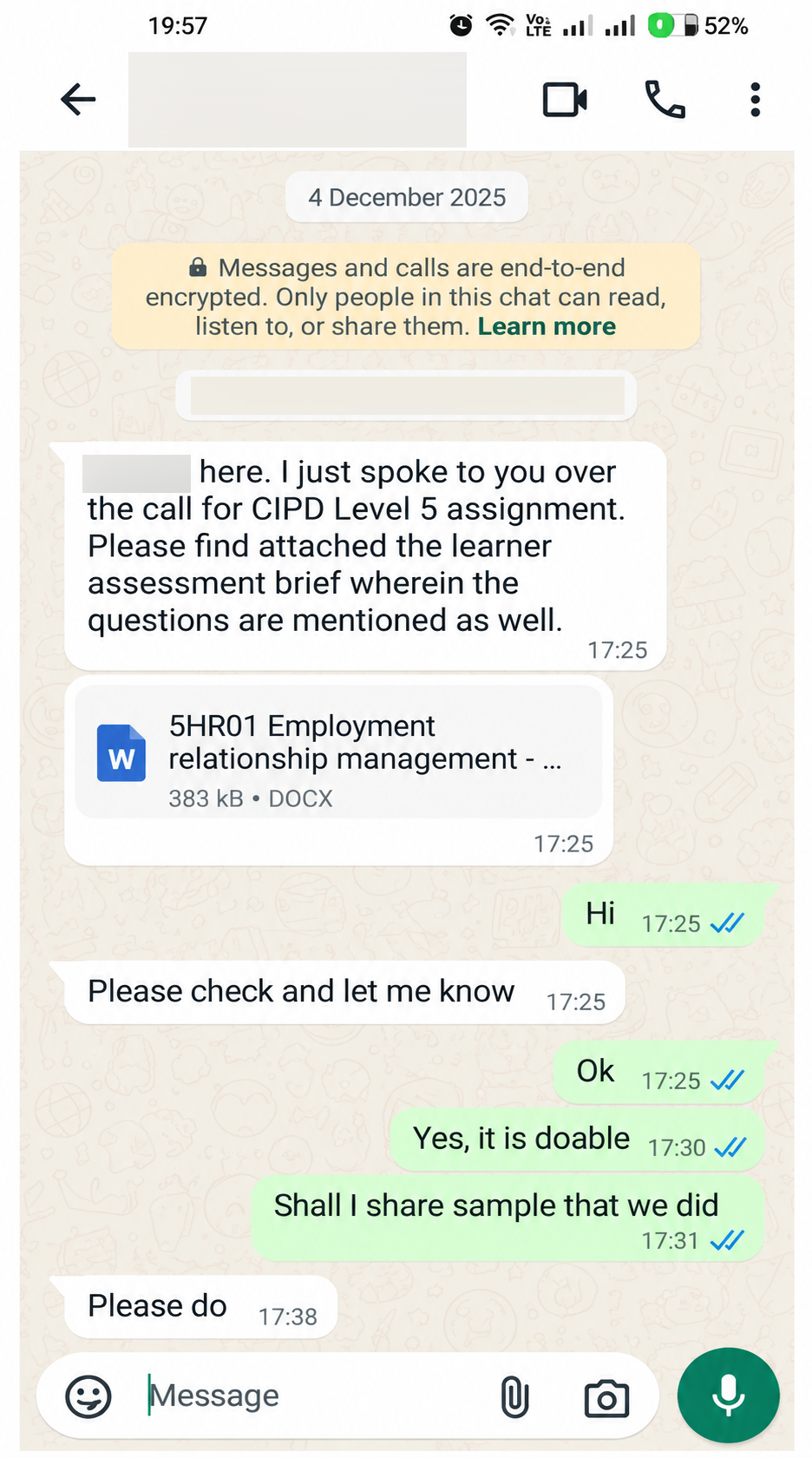
The engagement began when the learner shared the 5HR01 learner assessment brief and asked whether the assignment could be completed. The initial communication established the topic, scope and deliverable before drafting began. This helped ensure that the work followed the exact CIPD unit requirements instead of relying on a generic HR essay structure.
2. Understanding the Assessment Brief
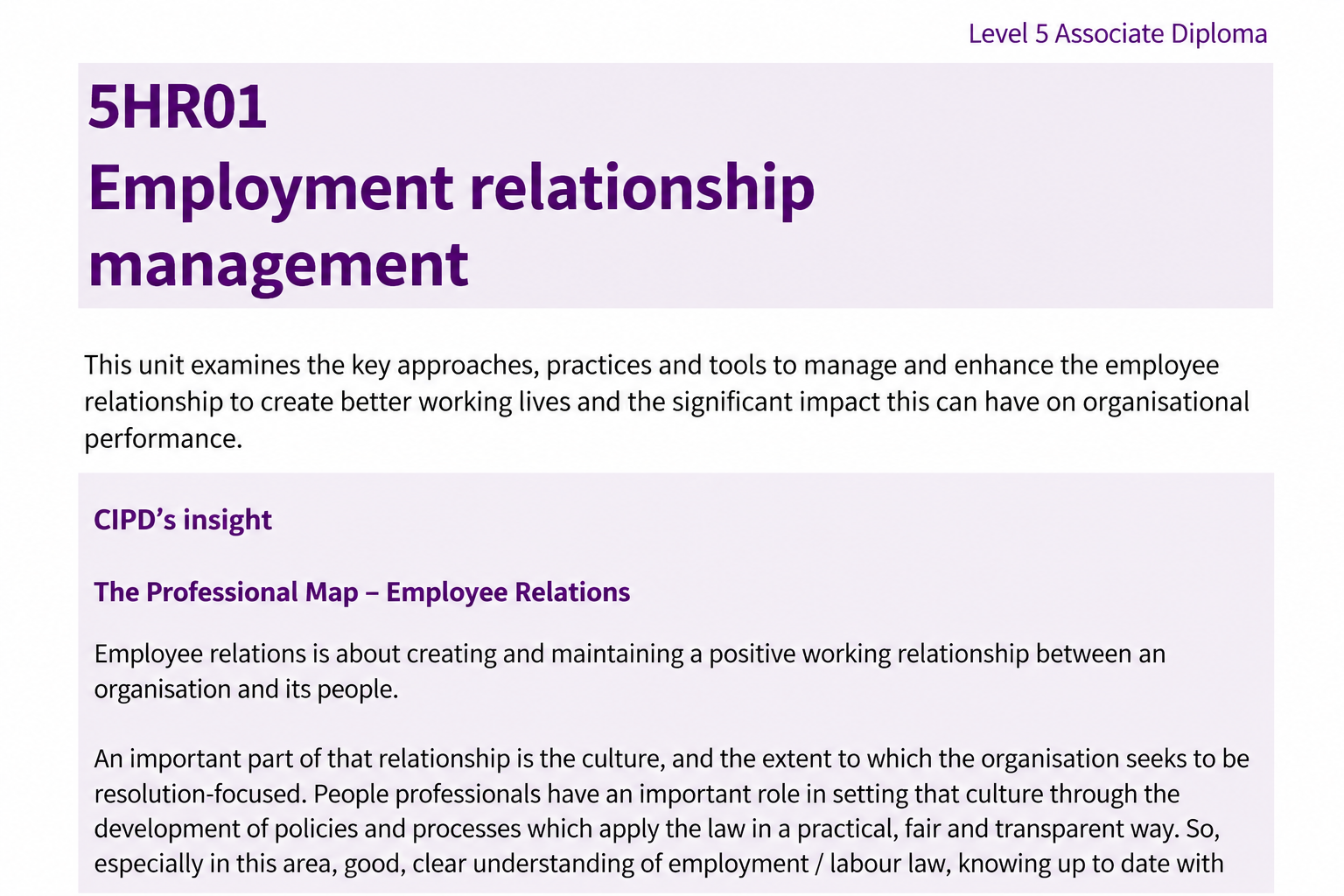
The supplied material confirmed that the assignment was focused on employment relationship management. The visible assessment criteria required analytical responses to areas including employee involvement and participation, union and non-union representation, workplace relationships, employee voice and organisational change. The brief also indicated approximately 400 words for individual assessment criteria, requiring concise but evidence-based responses.
3. How Excellence Innovations Worked
We used a structured workflow designed to keep the assignment aligned with the brief from the first review through final delivery.
Step 1 – Requirement Review
We examined the learner brief, identified the unit, assessment criteria, expected word allocation and required referencing style.
Step 2 – Clarification and Planning
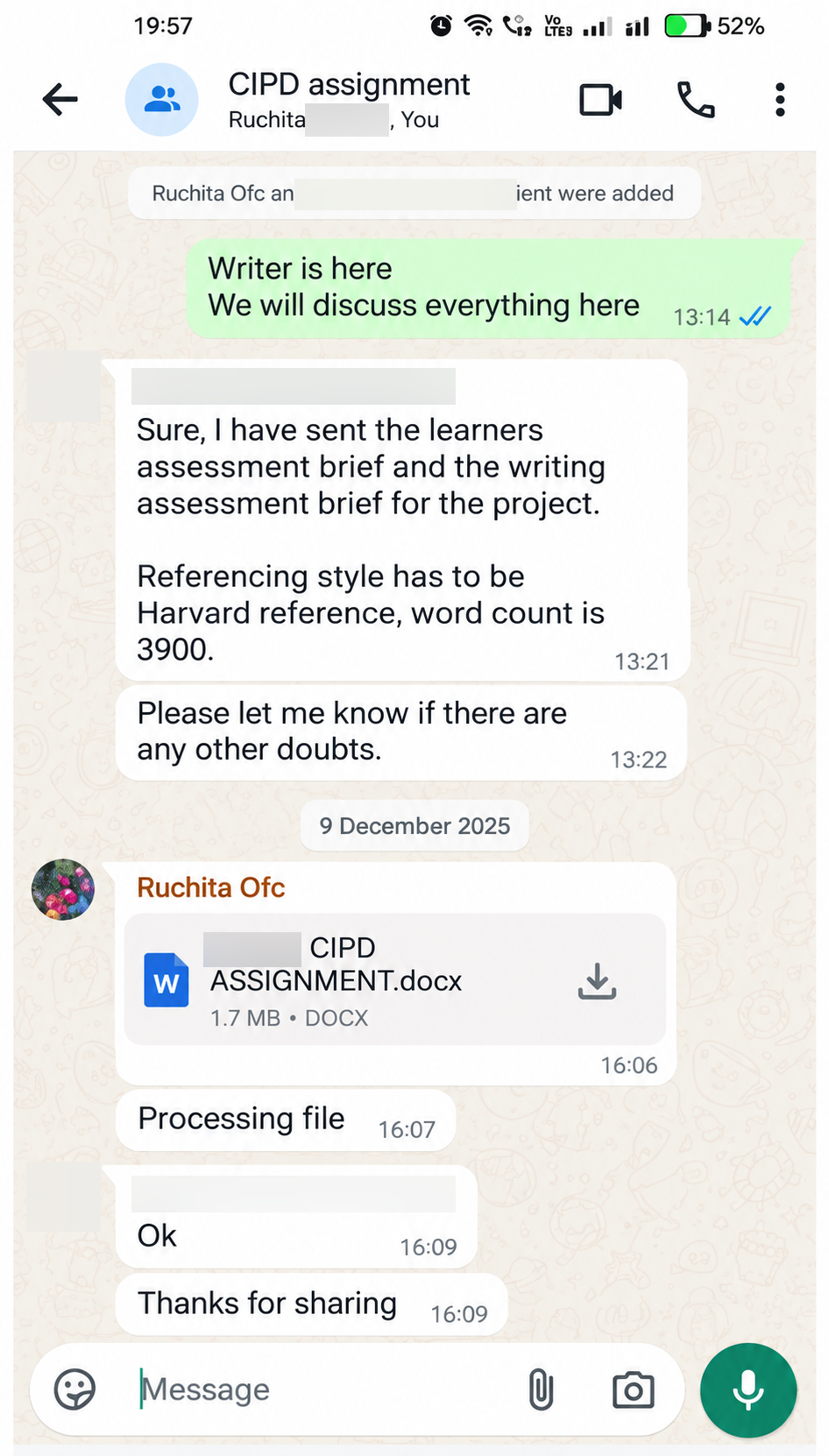
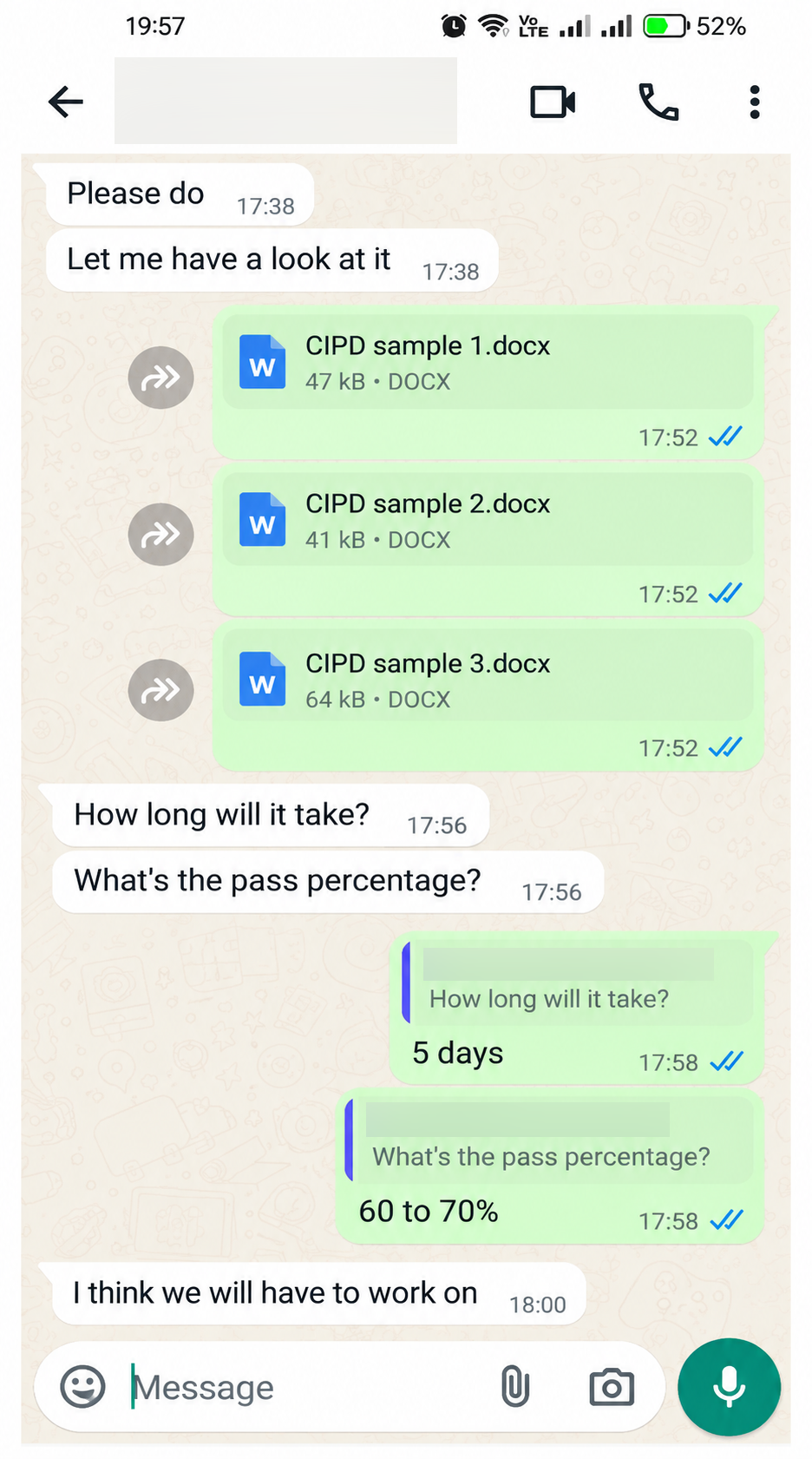
The learner confirmed a 3,900-word requirement and Harvard referencing. A dedicated discussion channel was used so the writer, office team and client could coordinate the work.
Step 3 – Sample Sharing
Previous CIPD samples were shared so the learner could understand the expected structure and standard before the project proceeded.
Step 4 – Criterion-by-Criterion Drafting
The response was developed around the assessment criteria rather than as one continuous generic essay. Each section addressed the task verb and linked theory to employment-relations practice.
Step 5 – Academic Referencing
Academic sources were integrated into the discussion and cited in Harvard style to support key arguments.
Step 6 – Quality and Submission Checks
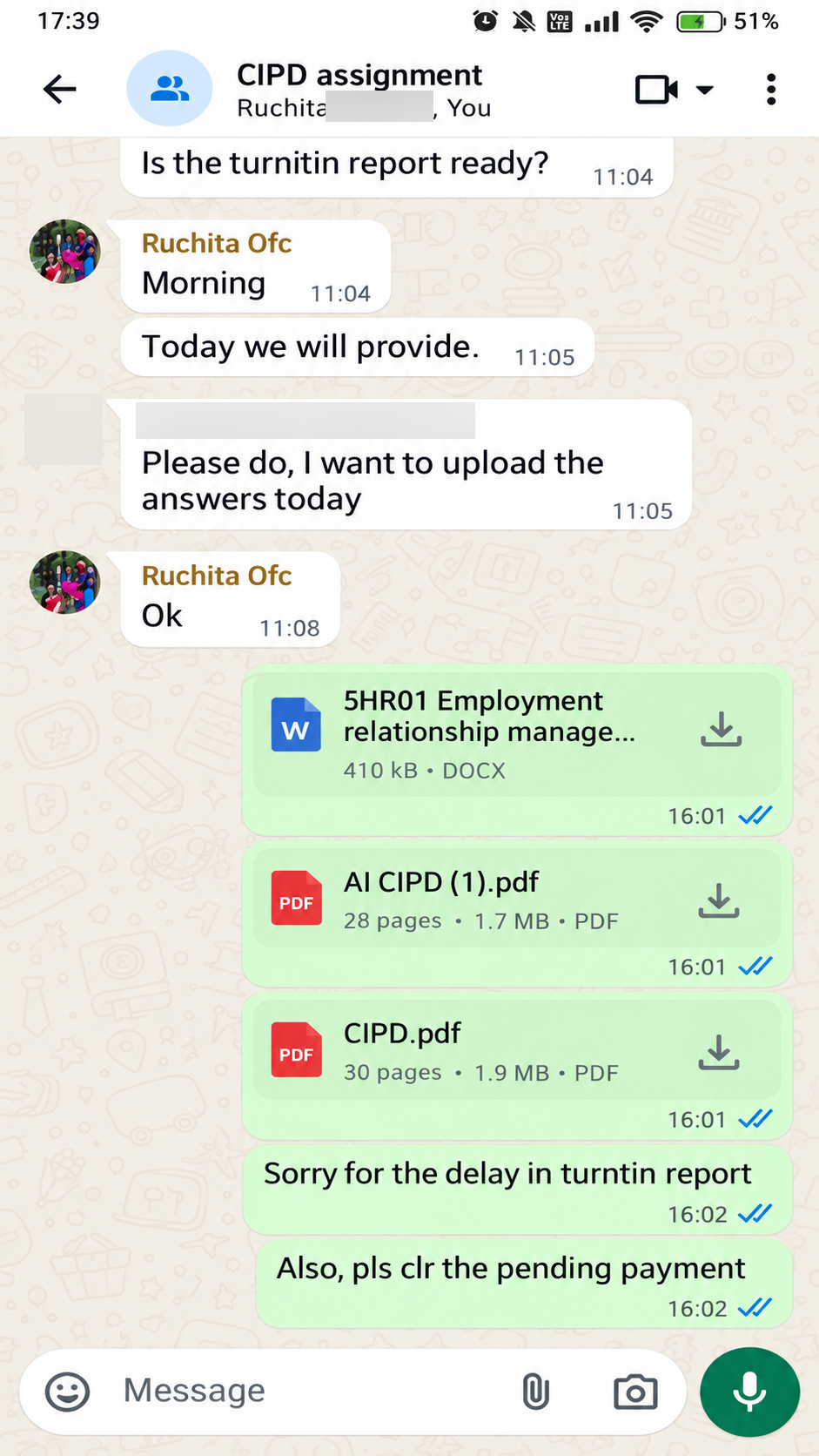
The finished document was checked for structure, formatting and referencing. A Turnitin-related report was also discussed and supplied as part of the final delivery package.
4. Academic Approach Used in the Assignment
The assignment content demonstrates an assessment-led academic approach. For example, one response differentiates employee involvement from employee participation and explains how both can influence communication, trust, psychological ownership and workplace relationships. Another response compares union and non-union employee representation, considering collective bargaining, employee voice, fairness, organisational change and consultation mechanisms.
The emphasis was therefore on three things: answering the exact criterion, using relevant academic evidence, and applying the discussion to realistic employment-relations issues. This is important in CIPD work because descriptive definitions alone are rarely sufficient; the response must compare, differentiate, discuss or evaluate in line with the wording of the assessment criterion.
5. Software and Tools Used
This project was primarily a written, research-based CIPD assignment rather than a statistical analysis project. The evidence supplied supports the following tools and workflow:
• Microsoft Word – used for drafting, editing, formatting and final document preparation.
• Turnitin – used in the quality-checking/submission workflow; the learner specifically requested the Turnitin report before uploading the answers.
• Academic research sources – used to support arguments and Harvard-style citations. The supplied evidence does not identify a specific database, so no particular database is claimed in this case study.
6. Final Delivery and Service Provided
After completion, the final 5HR01 Employment Relationship Management document was delivered to the learner. The delivery conversation also shows supporting PDF files being shared and the Turnitin report being discussed. When the learner indicated that the answers needed to be uploaded that day, the team responded and completed the handover.
7. Client Feedback and Outcome
The supplied case file does not contain an official CIPD grade, assessor feedback sheet or a written testimonial after marking. For accuracy, we do not claim a Pass, Merit, Distinction or any specific score. What the evidence does show is that the learner remained actively engaged throughout the process, thanked the team for sharing the work, requested the Turnitin report and prepared to upload the completed answers. The assignment was therefore delivered in line with the agreed project requirements and submission needs.
“Thanks for sharing.” | “Please do, I want to upload the answers today.”
8. What This Case Demonstrates
• Brief-led support: the assignment was structured around the actual CIPD assessment criteria.
• Clear communication: requirements, word count, referencing style, samples and timing were discussed before and during the project.
• Academic evidence: the drafted responses used literature to support employment-relations arguments.
• Quality control: formatting, references and Turnitin-related checks formed part of the final-stage workflow.
• Transparent claims: this case study reports only what is evidenced in the supplied project record and does not invent an assessor grade or testimonial.
Excellence Innovations supports learners with CIPD assignments, assessment-criteria interpretation, academic research, Harvard referencing, editing, proofreading and quality review. Share your learner brief and current requirements with us, and we can first assess the task before recommending the most suitable support approach.