
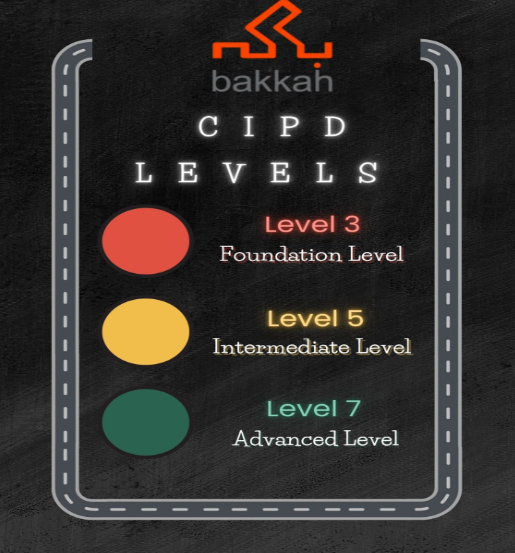
Right CIPD qualification choice is one of the most important career decisions for anyone planning to work in Human Resources or Learning and Development. Over the years, one pattern has become clear: many learners believe that studying the highest qualification will automatically create better career opportunities. In reality, employers are usually more interested in whether a qualification matches a candidate’s experience and career stage than simply its level. A well-matched qualification builds confidence, develops relevant skills, and supports long-term progression. This guide explains the way to Choose the Right CIPD Qualification by comparing CIPD Level 3, CIPD Level 5, and CIPD Level 7, helping prospective learners make a decision based on their professional goals rather than common misconceptions.
What Is CIPD?
The Chartered Institute of Personnel and Development (CIPD) is the professional body for HR and Learning & Development. Its qualifications are recognised by employers across the UK and in many international organisations because they combine academic learning with practical workplace application. One reason employers value CIPD qualifications is that they focus on real business challenges rather than theory alone. Students learn how to manage people effectively, understand employment legislation, support organisational growth, and make informed HR decisions. From an employer’s perspective, a CIPD qualification demonstrates commitment to professional development and an understanding of modern people management practices.

Understanding the Three CIPD Qualification Levels
CIPD Level 3
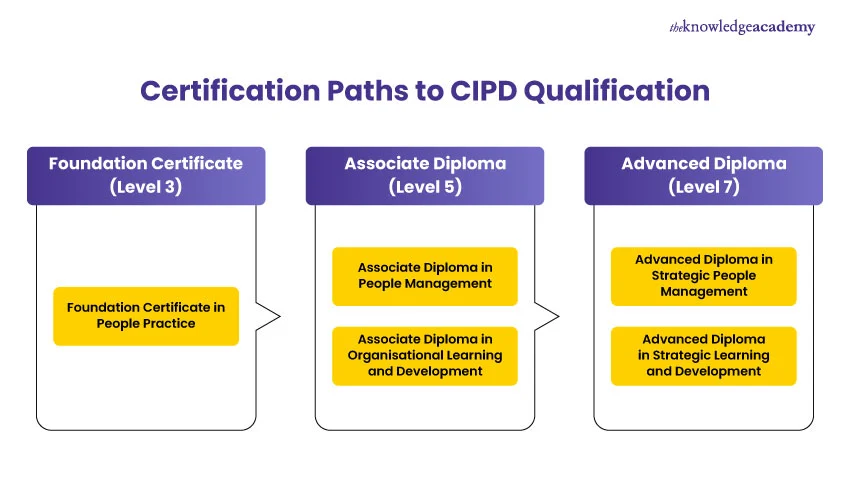
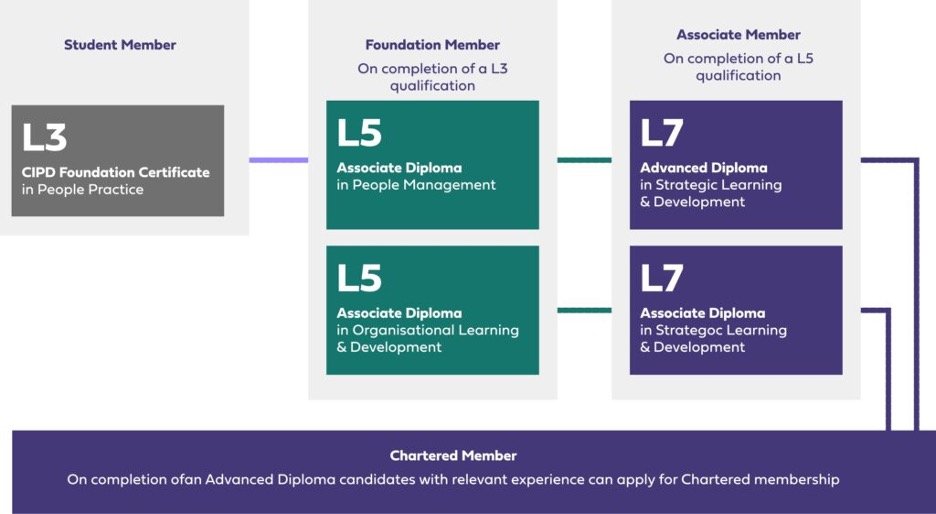
CIPD Level 3 provides a strong introduction to HR and is ideal for those with little or no previous experience. It develops knowledge of recruitment, employee relations, workplace communication, and basic employment law. This qualification is suitable for school leavers, career changers, HR administrators, and individuals starting their first HR role. In many cases, beginning with Level 3 creates a stronger professional foundation than moving directly into more advanced study.
CIPD Level 5
CIPD Level 5 is designed for professionals who already understand the basics of HR and want to develop broader management skills. The qualification focuses on workforce planning, employee engagement, talent management, and organisational performance. It is particularly valuable for HR Advisors, HR Officers, and professionals preparing for middle-management positions. From experience, Level 5 often provides the best balance between academic development and career progression.
CIPD Level 7
CIPD Level 7 is intended for experienced HR professionals responsible for strategic decision-making. The qualification develops advanced knowledge in leadership, organisational development, business strategy, and people management. It is most suitable for HR Managers, HR Business Partners, and senior HR leaders who contribute directly to organisational performance. While Level 7 carries significant professional value, it delivers the greatest benefit when combined with substantial workplace experience.
Comparison Table
| Feature | Level 3 | Level 5 | Level 7 |
|---|---|---|---|
| Entry Requirements | No HR experience required | Some HR knowledge or experience | Significant HR experience preferred |
| Difficulty | Foundation | Intermediate | Advanced |
| Duration | 6–12 months | 12–18 months | 18–24 months |
| Career Opportunities | HR Assistant, HR Administrator | HR Advisor, HR Officer | HR Manager, HR Business Partner |
Which Qualification Fits Your Career Goals?
Choosing the right qualification depends on career stage rather than ambition alone. School leavers and career changers generally benefit from Level 3 because it builds essential knowledge before progressing further. HR Assistants who already understand daily HR operations may find Level 5 the logical next step. HR Advisors looking to move into management often gain the greatest value from Level 5 as it develops decision-making and leadership skills. HR Managers and Senior HR Leaders responsible for organisational strategy are usually best suited to Level 7. In my view, the strongest career progression comes from matching qualifications with professional responsibilities instead of pursuing the highest level as quickly as possible.
Real Student Scenarios
One student working as an office administrator completed Level 3 before moving into an HR Assistant role within a year. Another HR Advisor with four years of experience chose Level 5 instead of Level 7 and secured a promotion because the qualification matched the responsibilities of the new position. A senior HR Manager enrolled in Level 7 after leading several organisational projects, allowing the qualification to strengthen existing leadership experience rather than replace it.
Common Mistakes Students Make
The most common mistake is choosing a qualification based only on cost or salary expectations. Another frequent issue is ignoring experience requirements, particularly when selecting Level 7 too early. Many learners also underestimate the time required to complete assignments while balancing full-time work. These decisions often create unnecessary pressure and reduce the overall learning experience.
Expert Tips Before You Enrol
Before selecting a qualification, evaluate current responsibilities rather than future job titles. Speaking with employers, reviewing job descriptions, and comparing course outcomes often provides a clearer picture than focusing only on qualification levels. A qualification should prepare learners for the next realistic career step rather
than the final destination.
Frequently Asked Questions
Which CIPD qualification is best?
The best qualification depends on experience and career goals rather than the highest level available.
Can Level 5 be studied without Level 3?
Yes, if sufficient HR knowledge or professional experience already exists.
Is CIPD Level 7 equivalent to a postgraduate qualification?
Yes, it is academically comparable to postgraduate-level study.
Is CIPD recognised internationally?
Yes, many employers outside the UK recognise CIPD qualifications.
How long does a CIPD qualification take?
Depending on the level and study mode, between six months and two years.
Does CIPD guarantee a promotion?
No. Career progression depends on qualifications, experience, and workplace performance.
Can career changers study CIPD?
Yes. Level 3 is often the most suitable starting point.
Do employers prefer experience or qualifications?
Most employers value a combination of relevant experience and the appropriate CIPD qualification.









Comments are closed