
A failed CDR is not the end of your engineers Australia migration journey, it is often a sign that the report did not clearly prove your competency, contribution, and originality. In my experience, the strongest way to recover is to treat the rejection as feedback and rewrite the CDR around evidence, structure, and first-hand engineering experience.
1. What usually goes wrong
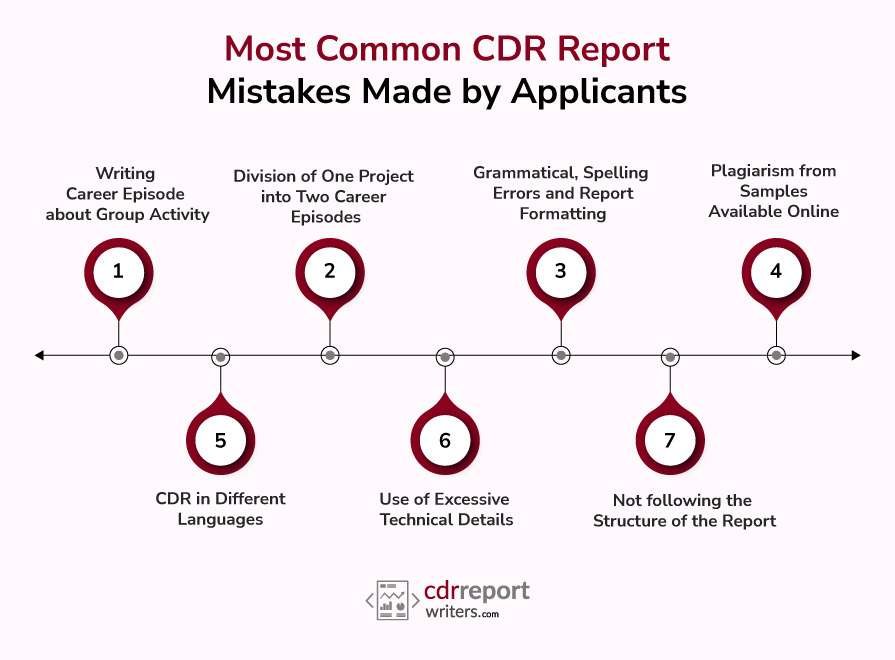
Most failed CDRs go through the same issues involving weak Career Episodes, unclear personal roles, copied or over-edited content, and poor alignment with the nominated occupation. I have seen applicants describe projects in impressive technical detail but still fail because they never showed what they actually did. Engineers Australia is not just checking whether the work was technical, it is also checking whether the story proves your engineering capability. Another common problem is writing generically. When the episodes sound like a project report copied from company documents, the assessor cannot see the applicant’s decision-making, problem-solving, or accountability. The CDR must feel personal, specific, and verifiable.
2. Experience must be visible
In a CDR context, use “I” statements to describe your actions and include concrete outcomes from your work. When reviewing technical writing, it should always look for details that only the actual engineer could know, such as a design change, a field issue, a recalculation, or a workflow correction.
3. Expertise needs proof
Expertise is built through credibility signals, not self-declaration. For CDR guidance, having a clear author bio, relevant qualifications, and a visible professional background is important. If you are writing as an engineer or project manager, state your discipline, industry experience, and the type of CDR cases you have handled. A useful pattern is to pair practical advice with a short explanation of why that advice matters in assessment. That shows depth without becoming academic. Readers trust writers who explain both the rule and the reason behind it.
4. Authority comes from depth
Authoritativeness is strengthened when your content sits inside a well-developed topic cluster. Instead of one isolated post on CDR failure, build related content on Career Episodes, Summary Statement errors, plagiarism risks, writing style, and occupation selection. This helps readers see that your site covers the subject thoroughly. You can also strengthen authority by referencing where your insights come from, such as official guidelines and professional standards. When your advice reflects real assessment patterns and practical writing experience, it becomes more useful and more credible.
5. Trust is the deciding factor
Trustworthiness matters most because applicants are making high-stakes decisions based on your guidance. A clear contact page, secure website, and visible author details all support trust. Most importantly, avoid promising guaranteed approval. A trustworthy article tells the reader what typically causes rejection, what can be improved, and what evidence matters most.
6. Turning failure into approval
A failed CDR should be treated as a diagnosis, not a verdict. The solution is usually to rewrite with more personal evidence, better structure, clearer language, and stronger alignment to competency elements.









Comments are closed