
While technical expertise is important, it’s not all that Engineers Australia is looking for, and it’s not all you need to show in your assessment. It’s how you use, interpret and explain, and how you document that technical expertise. The key components of a good Career Episode are that it demonstrates competency, originality, communication and personal contribution beyond just the project itself.
Technical skills are not the only requirements for a job.
Engineers Australia evaluates your ability to work in a professional environment as a competent engineer, meaning that your work should be understandable, relevant and verifiable. If the episode contains a list of technical tasks or specifies technical requirements, your role, decision-making, and problem-solving may not be evident in it. The assessor wants to make sure that they see how you dealt with an engineering challenge, how you personally did and what you produced as a result of your actions. In other words, technical knowledge is the foundation, but the real test is whether you can turn that knowledge into a clear engineering story.
Communication matters
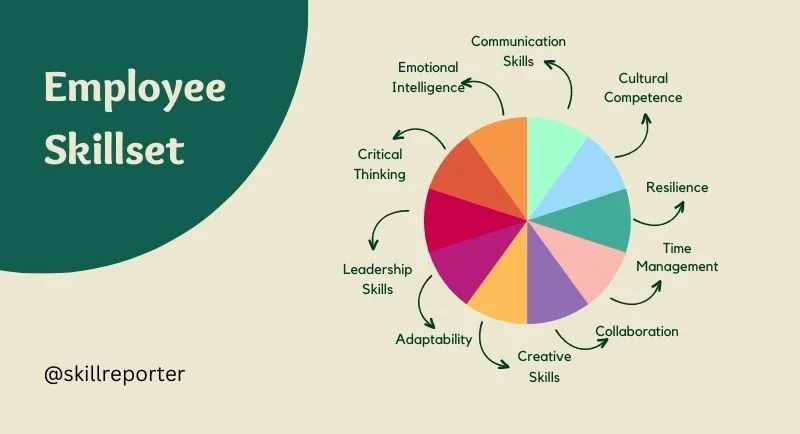
Many applicants think detailed terminology will impress assessors, but excessive jargon often creates the opposite effect. Career Episode should be written in clear English, include an explanation of acronyms, and be in the first person voice to demonstrate the involvement of the career. This is particularly relevant as it is not a technical report, but evidence-based information. Even if you have done a good job in engineering, if the assessor cannot quickly grasp your contribution, it will not be selected.
Evidence and originality
Another key factor in this is originality. Plagiarism, whether intentional or unintentional, is unacceptable and will jeopardise an application. Your episode should be based on what actually happened to you, not what it looks like someone else’s project would be. It is safest to restate in your own words what is really happening, what choices are actually being made, and what is actually happening as a result of those choices.

Project choice matters
A CDR is not to be used for all engineering projects. Your Career Episode should demonstrate engineering engagement, problem-solving, and complexity, not routine administrative or low responsibility work. A good episode typically springs from design activities, implementation, troubleshooting, process improvement, or even research and development, where it is apparent that you have made a contribution. Where the project is either weak or irrelevant, technical ability can still exist but will not be evident in the Engineer’s Australia standard way of doing things.
What assessors want
Engineers in Australia seek competence in a variety of areas, such as analysis, design, execution, and professional judgement. Knowing how to do something is important, but it will need to be proven. A strong application is ideally a combination of engineering depth and clarity, structure, and personal accountability. That combination also allows an assessor to be impressed with not only your skill, but also your ability to communicate and apply your skill in the Australian engineering environment.
Final thought
In summary, technical skills will open the door to the conversation, but credible communication, originality and proof will secure approval for your CDR. To maintain a strong migration pathway, your Career Episodes should be proof of your technical competency and professional readiness.









Comments are closed